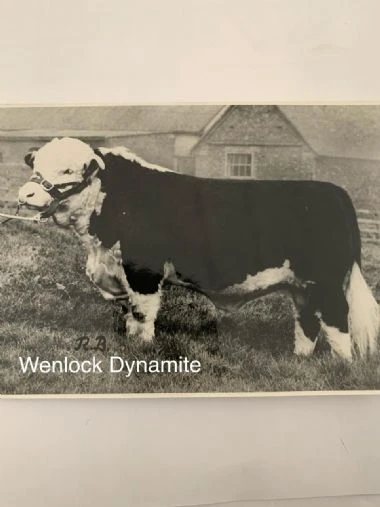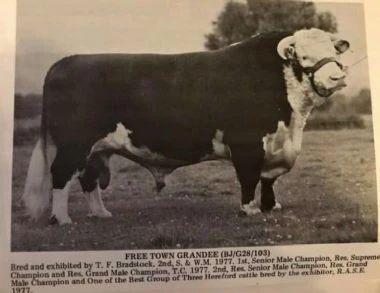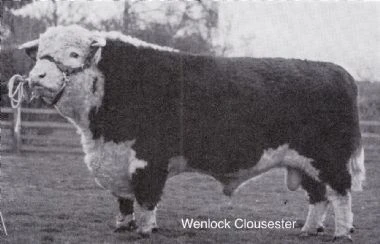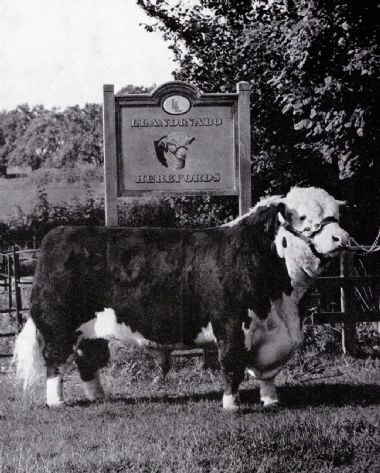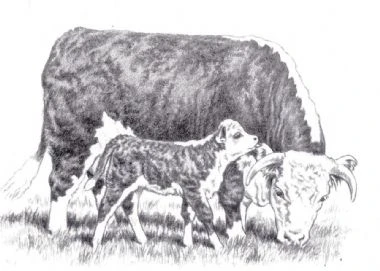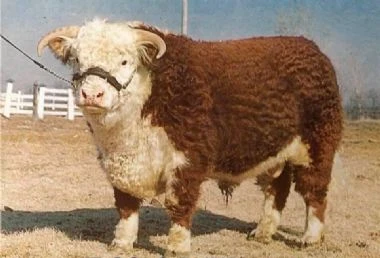
Hereford Miquiline Horned
Horned Herefords have existed for around 300 years, much longer than Polled Herefords, which have been around for approximately 70 years. Horned Herefords are a quick maturing breed, making them ideal for feedlots. There is a substantial difference between the Horned Hereford and the Polled Hereford breeds.
Certificate of Excellence
- › One of the most fertile breeds
- › Has the best temperament
- › Low birth weight
- › Very good weaning weight
- › Genetically meat cattle – 300 years of genes captured
- › Many other breeds find their origin in Hereford, e.g. Braford
- › Popular at feedlots
- › Popular at abattoirs
- › No proven reason to not farm with Herefords
- › Some of the best feed conversion
- › Many farmers can testify of the hybrid power in South Africa
- › Longevity
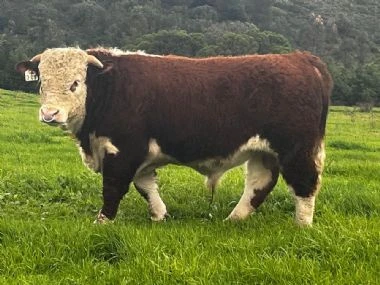
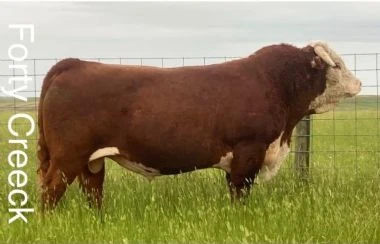
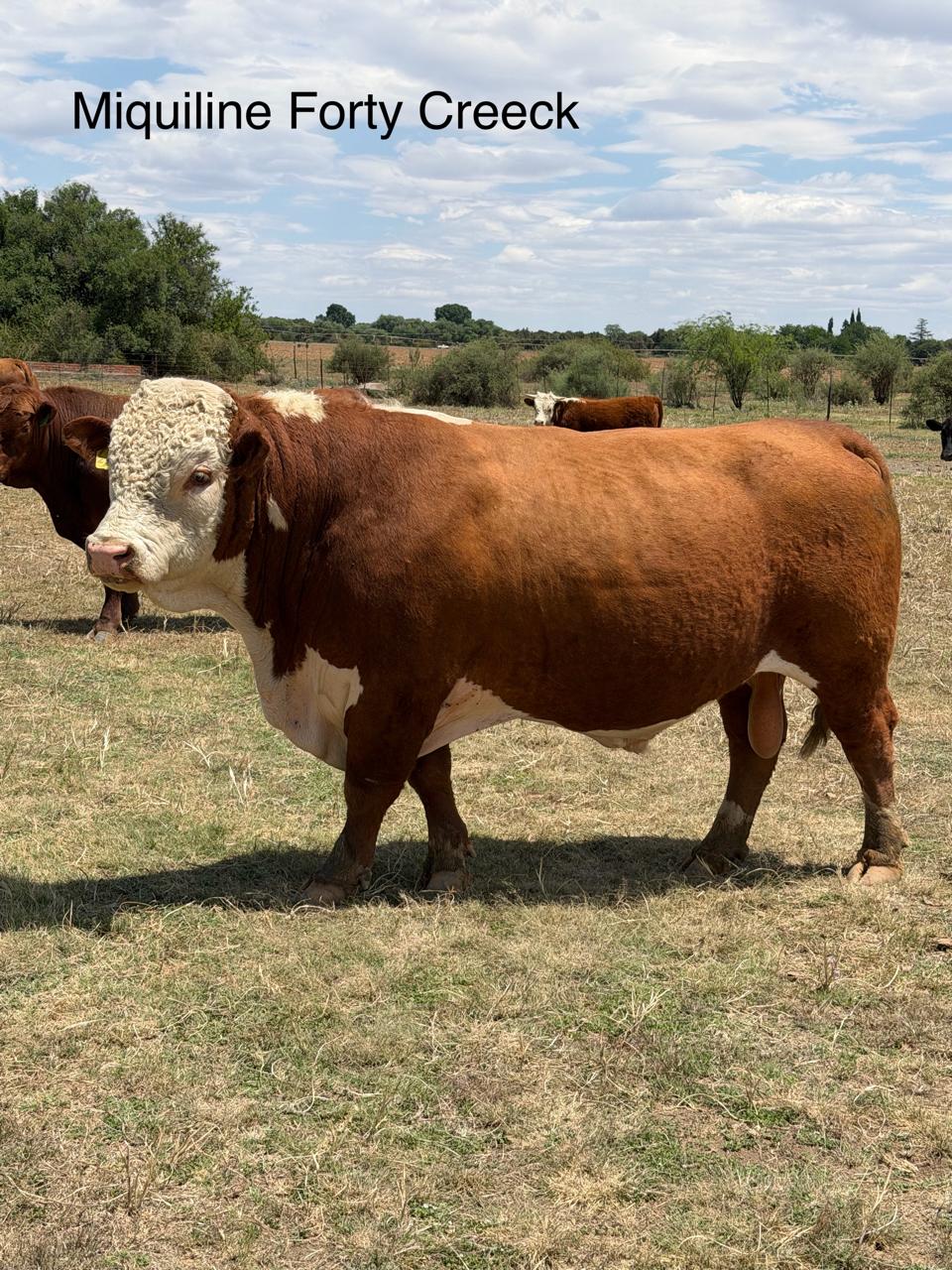
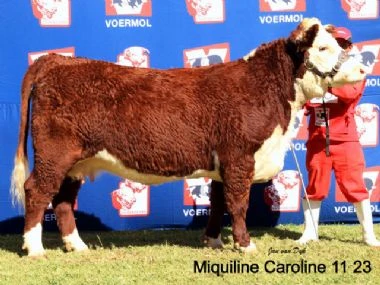
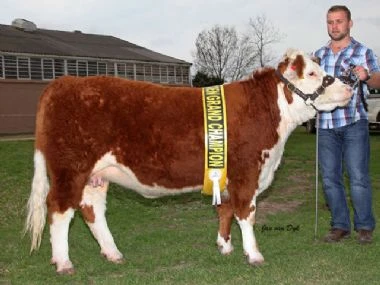
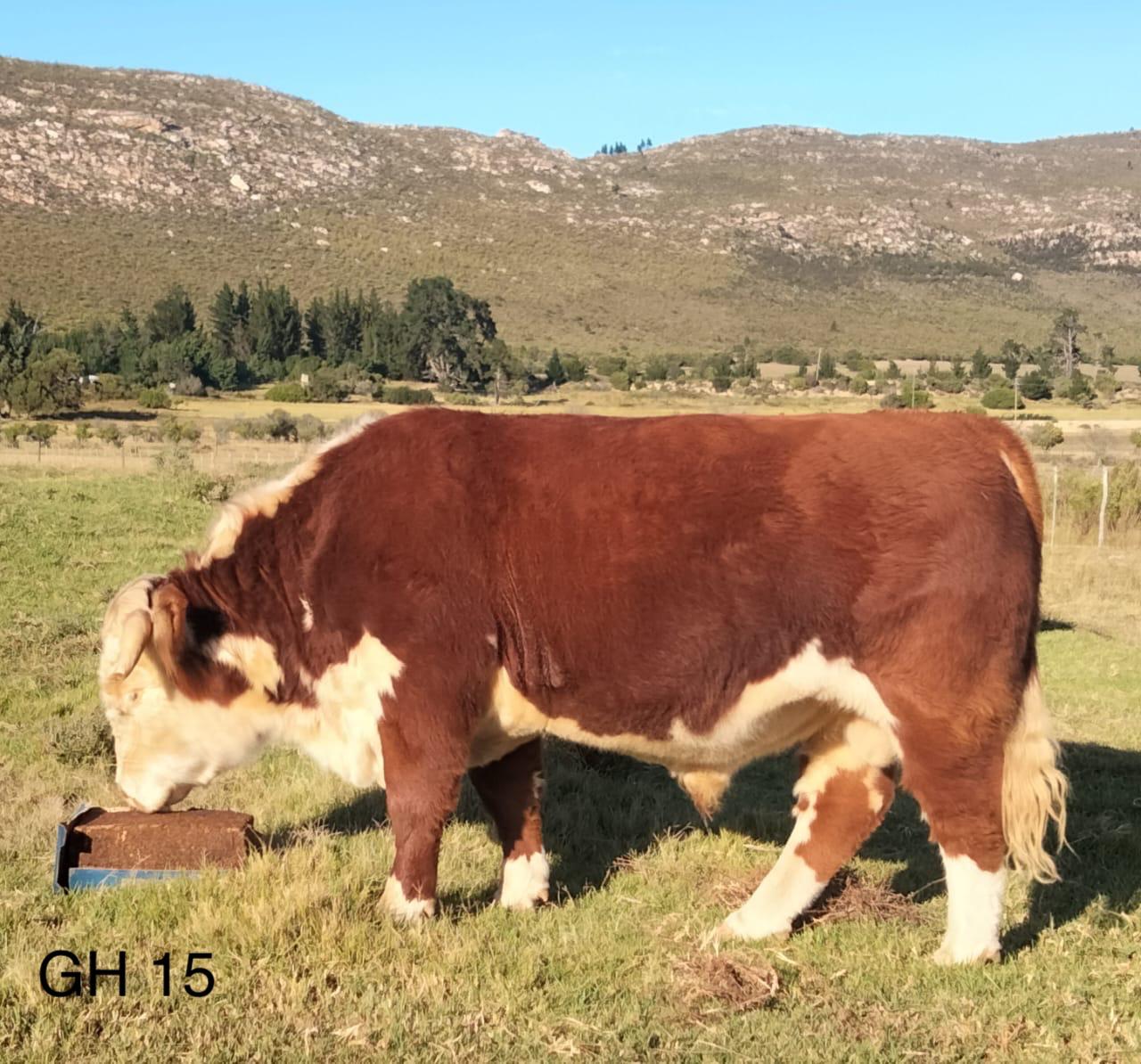
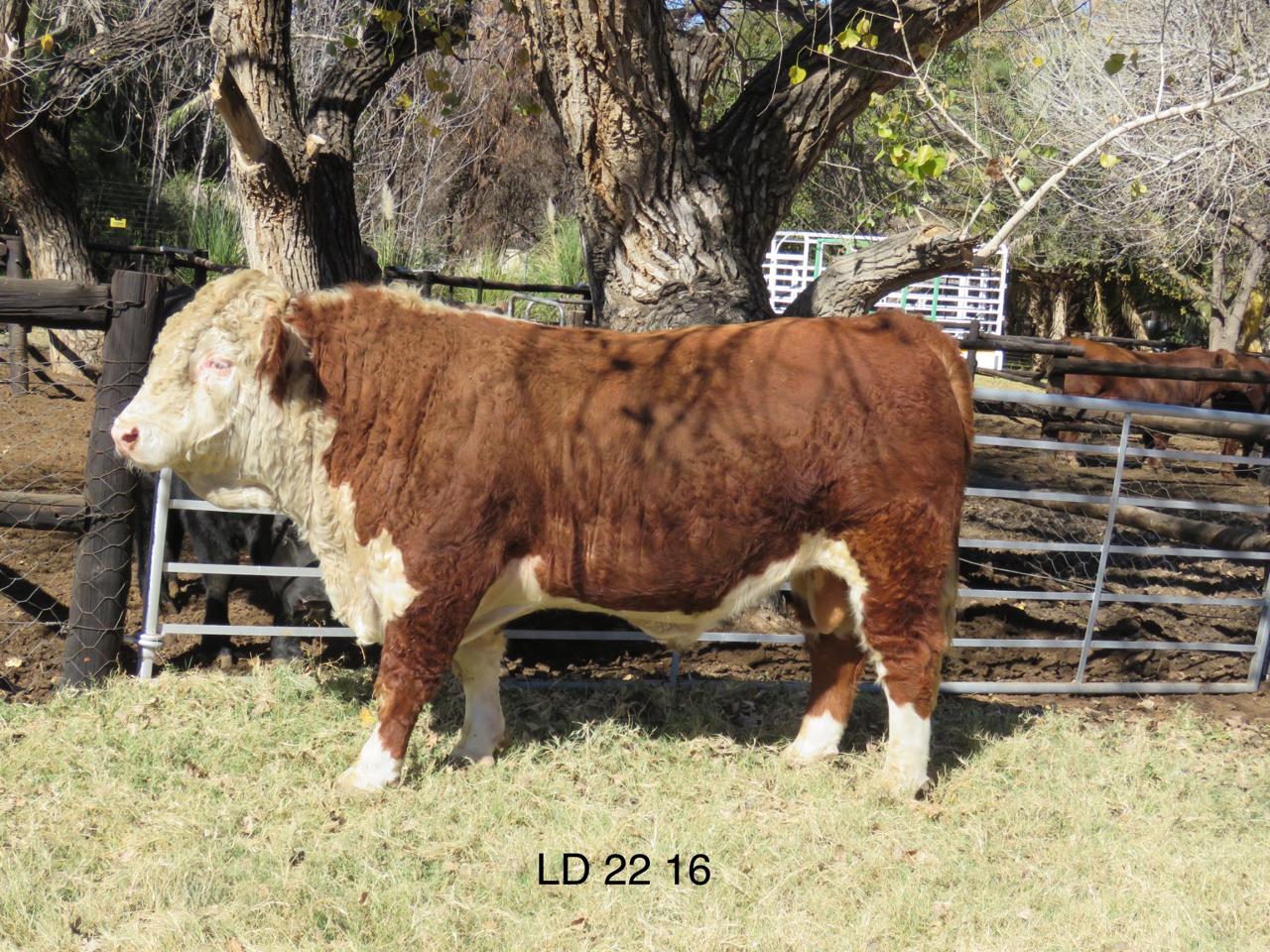
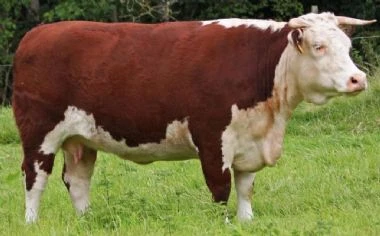
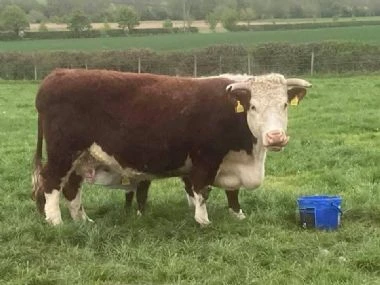
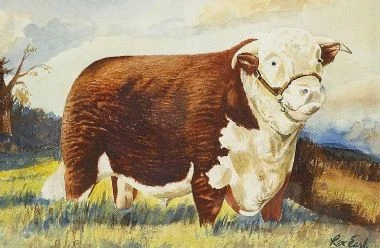
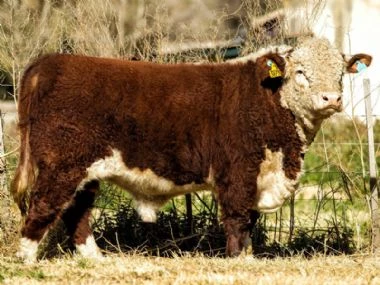
The Ideal Miquiline Hereford
- 1) White face
- 2) Pigmentation on eyelid allowed, but no patches (sign of mixed blood)
- 3) White on the shoulders
- 4) White on the tummy
- 5) White neck (no rednecks)
- 6) White on the legs (could go to the knees)
- 7) White tail
- 8) The rest of the body can be brown or red brown to dark brown
Adaptability & Breed Traits
The Herefords are one of the most highly adaptable breeds of cattle in the world. They can be found in desert-like conditions like Arizona, tropical climates like Brazil and Uruguay, rough terrain and vegetation like South Africa, or wet and cool climates like Great Britain. A Hereford’s thick hide, light-and-dark coat color, and ability to live off of grass and hay alone, make it able to adapt so readily to the different climates it lives in. Herefords are known for their great temperament and docility, and because they require little management in terms of feeding, are one of the best breeds to raise on ranch or range-like conditions.
It has been documented that Hereford genetics maximize the value of a cow herd by leveraging its fertility, feed efficiency, profitability and docility to the producer’s advantage.
Calves are to be strong and healthy at birth and they should attain desirable weaning weights. This indicates milking ability of the dam as well as the inherent growth ability of the calf. The latter is inherited in equal proportions from the sire and the dam.
Physical Traits
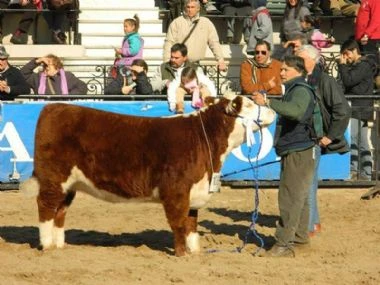
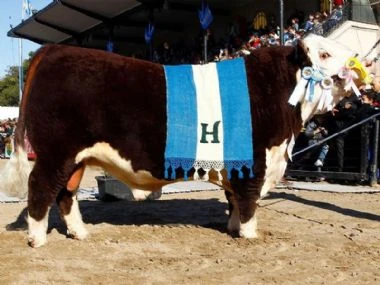
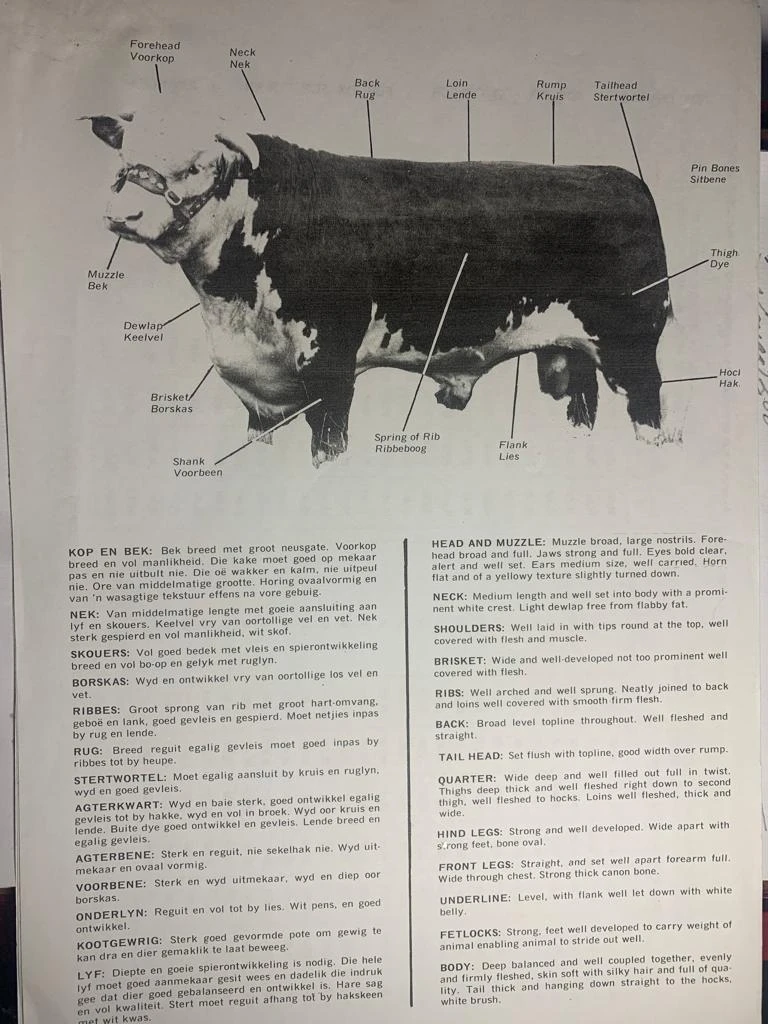
Hereford Horned: The horns are oval and bend slightly down with a waxy texture and of greyish appearance but never dull white.
The forehead of the Hereford is wide and symmetrical with the nostrils big and clean. The eyes are alert but not prominent and set well apart under a strong brow.
The docile Hereford temperament is carried over to their progeny which results in a better quality beef, better feed conversion and less injuries in the feedlots. Management becomes less of a burden.
Mature Hereford cows are expected to calve annually, without assistance and to produce and rear strong and healthy calves.
Functional Efficiency & Frame
The Hereford is a fast growing, fertile beef breed of distinctive colour and markings.
The Hereford seeks its excellence in total functional efficiency. Conformation in the breed is important in the sense that certain anatomical features are directly related to functional efficiency and economically viable traits. Amongst these traits the traditional colour and markings and the general conformation of the breed present the Hereford as a unique producer of beef and an excellent selling product.
The Hereford breed is renowned for producing naturally marbled beef which is succulent and full of flavour.
To improve fertility and growth ability Hereford cattle are required to be fit and functionally efficient. This entails the ability to walk comfortably and with rhythm and ease even over long distances. Sound legs and feet and a strong back are highly desirable for these purposes.
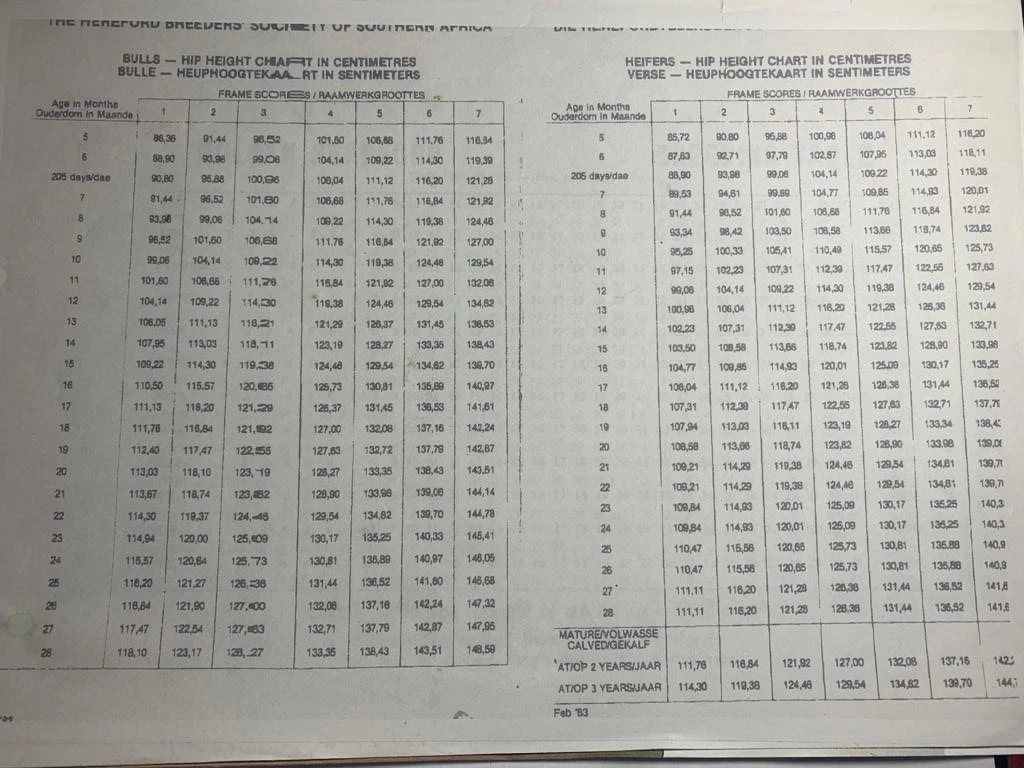
At last we know what is a medium frame; frame 4 to 5.8 with frame 5 as the ideal frame. Usually these frame sizes outweigh the larger frames at 24 to 30 months.
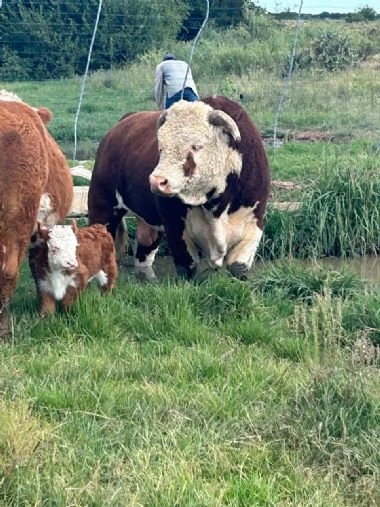
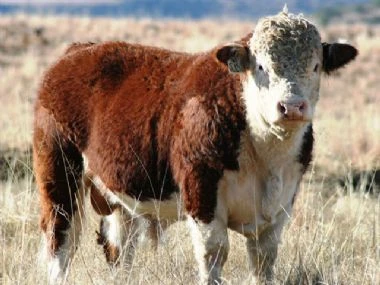
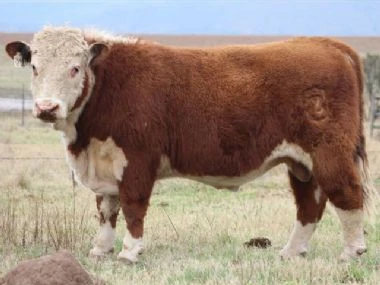
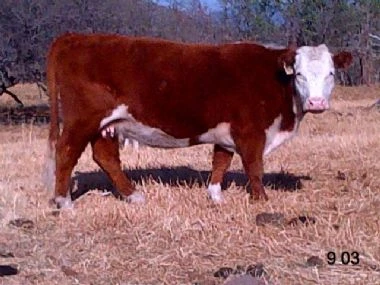
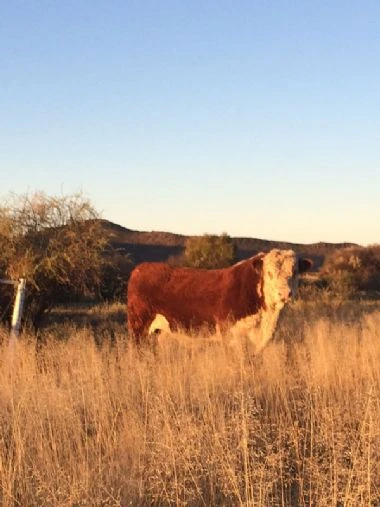
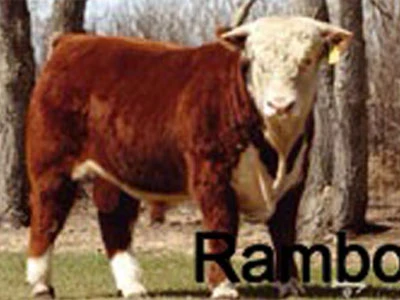
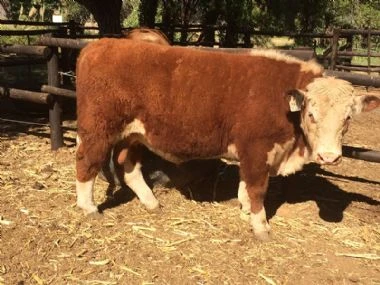
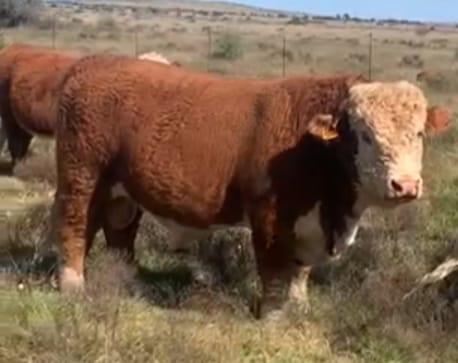
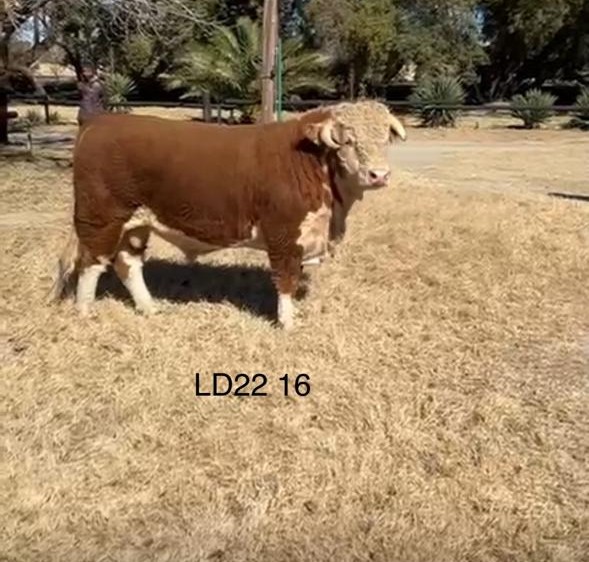
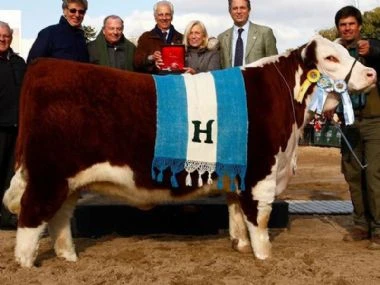
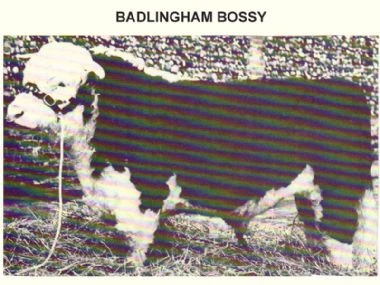
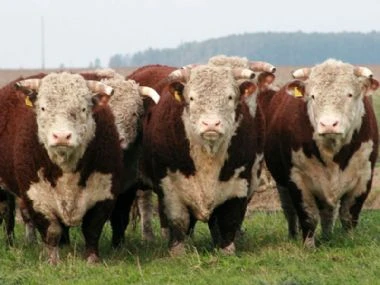
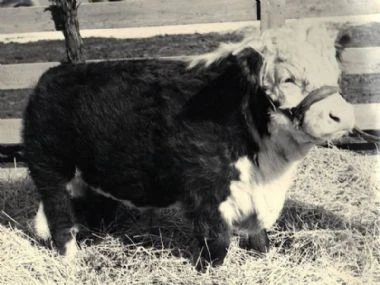
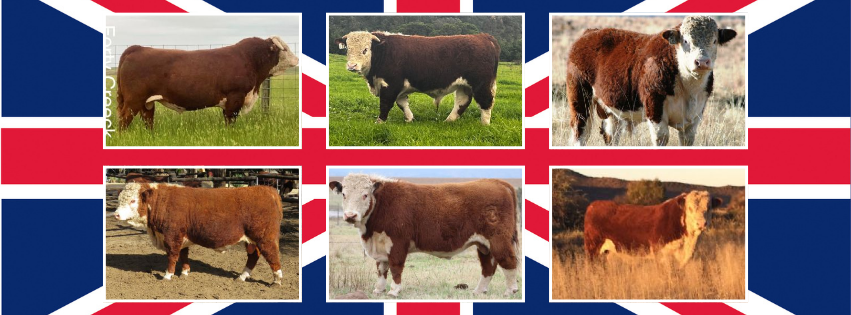
The ideal weight is 600kg to 650kg for cows and 1000kg plus for bulls. The photos below show the ideal phenotype.
"When selecting for fertility traits in the female, great emphasis should be placed on the importance of a sound, efficient udder. Conformation features such as teat shape, size, placement and udder attachment are also crucial in judging cows for functional efficiency."
- Dr Jan Bonsma -